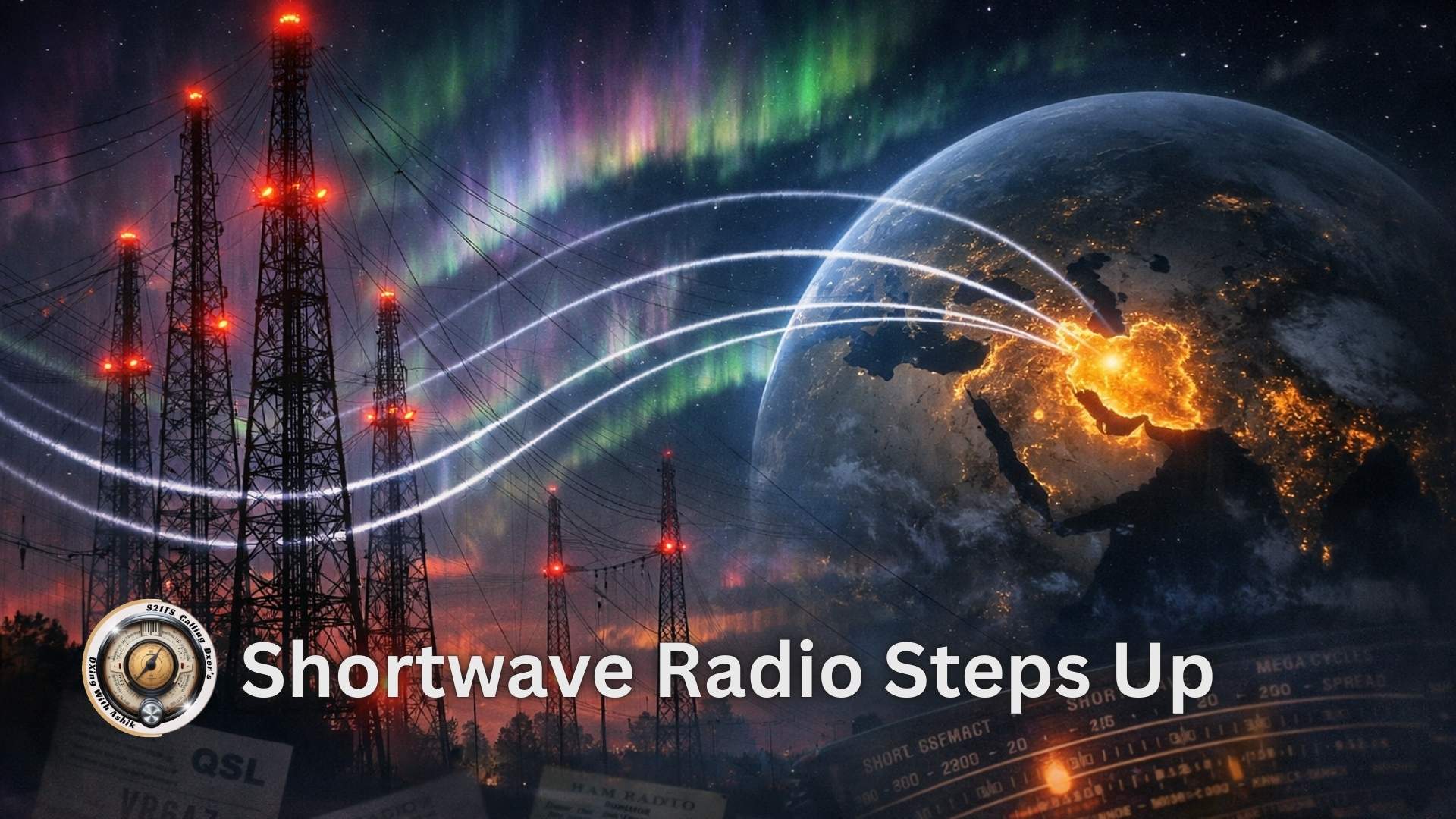

As a dedicated shortwave listener and DXer for over two decades, I’ve watched the bands go quiet over the years. Many international broadcasters reduced or completely shut down their shortwave services to the Middle East. But when history accelerates — as it has in the past five days — shortwave comes roaring back. Yes, the 2026 crisis also forced Shortwave Radio Steps Up again.
Right now, with escalating tensions involving Iran, the United States, Israel, and their allies, major broadcasters have urgently restored and expanded transmissions. These signals are not just news; they are lifelines carrying uncensored information across borders when the internet and satellite TV can be disrupted. If you’re a fellow DXer, SWL, or simply someone who wants to hear history live on the air, here are the exact frequencies and schedules active right now (all times UTC, March 2026). Grab your receiver, your logbook, and let’s dive in.
Latest Escalation: From the Twelve-Day War 2025 to the 2026 Joint Strikes
The final chapter in this long saga unfolded dramatically in recent months. In June 2025, Israel launched the Twelve-Day War with massive airstrikes under Operation Rising Lion. These strikes targeted Iran's nuclear facilities at Natanz, Fordow, and Isfahan, as well as ballistic missile sites, military bases, and key commanders. Iran retaliated with waves of missiles and drones. But a fragile ceasefire held after U.S. intervention struck additional nuclear targets.
Eight months later, on February 28, 2026, the United States and Israel initiated a far more ambitious joint campaign. Officials described this operation as pre-emptive strikes aimed at regime change. It resulted in the killing of Iran’s Supreme Leader, Ayatollah Ali Khamenei, along with senior Revolutionary Guard commanders and other leadership figures.
Coordinated airstrikes, Tomahawk missiles, fighter jets, and drones have pounded Iranian military infrastructure, security apparatus, and remaining nuclear-related sites. In response, Iran has launched missile and drone barrages against Israel and U.S. bases in the Gulf. It’s included in Qatar, Bahrain, Kuwait, and the UAE, and even civilian areas in Dubai and elsewhere. As of early March 2026, the conflict shows no immediate signs of de-escalation, with fresh Israeli waves of strikes reported and oil prices surging amid fears of broader regional involvement—including renewed Hezbollah activity on Israel's northern border. This high-stakes escalation has once again thrust shortwave radio into the spotlight as a vital, resilient medium for information when internet blackouts, satellite disruptions, and censorship grip the region.
Shortwave Radio Steps Up: Target Iran
NHK World Radio Japan - Temporary 24-Hour Service to the Middle East
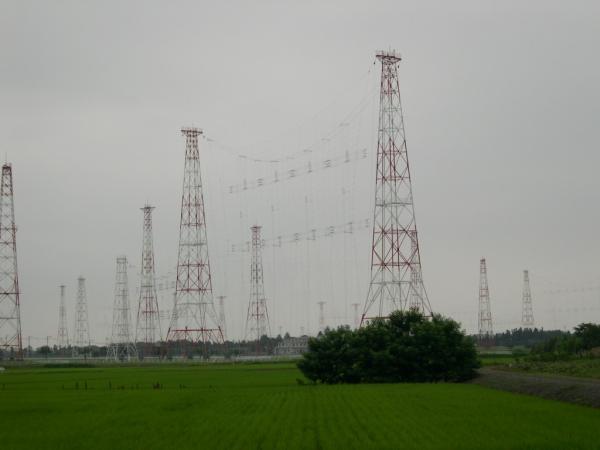
Japan’s public broadcaster has activated round-the-clock shortwave coverage specifically for listeners in the Middle East. Transmissions originate from the powerful KDDI Yamata station in Koga City, Ibaraki Prefecture, with additional relays via France.
Transmissions from Yamata Transmitting Station
- 16:00–17:00 UTC 11915 kHz
- 17:00–19:00 UTC 11670 kHz
- 19:00–21:00 UTC 9665 kHz
- 21:00–23:00 UTC 11675 kHz (regular time slot)
- 23:00–01:00 UTC 11660 kHz
- 01:00–05:00 UTC 17560 kHz
- 05:00–09:00 UTC 9700 kHz
- 09:00–13:00 UTC 9740 kHz
- 13:00–14:00 UTC 11685 kHz
- 14:00–16:00 UTC 9450 kHz
Transmission from the France Relay Station
- 17:00–19:00 UTC 11800 kHz (regular)
- 03:00–05:00 UTC 6150 kHz (regular)
These are crystal-clear signals carrying Japanese-language news, commentary, and features. DX tip: Yamata’s 250 kW transmitters often produce booming signals into Iran during these slots — perfect for evening and early-morning listening.
Radio Iran International Steps up to Shortwave
One of the most significant comebacks: Radio Iran International (audio feed from the popular Iran International TV) is once again on the air via shortwave.
Broadcast Schedule (via Spaceline, Bulgaria)
- 03:00–16:00 UTC 9500 kHz
- 16:00–03:00 UTC 5885 kHz
Persian-language programming 24 hours a day. After years of absence from the shortwave bands, this return is a clear sign of how critical the situation has become. Many DXers have already reported strong signals from this relay — keep your ears open!
VOA Farsi – Updated B25 Schedule (Effective 28 February 2026)
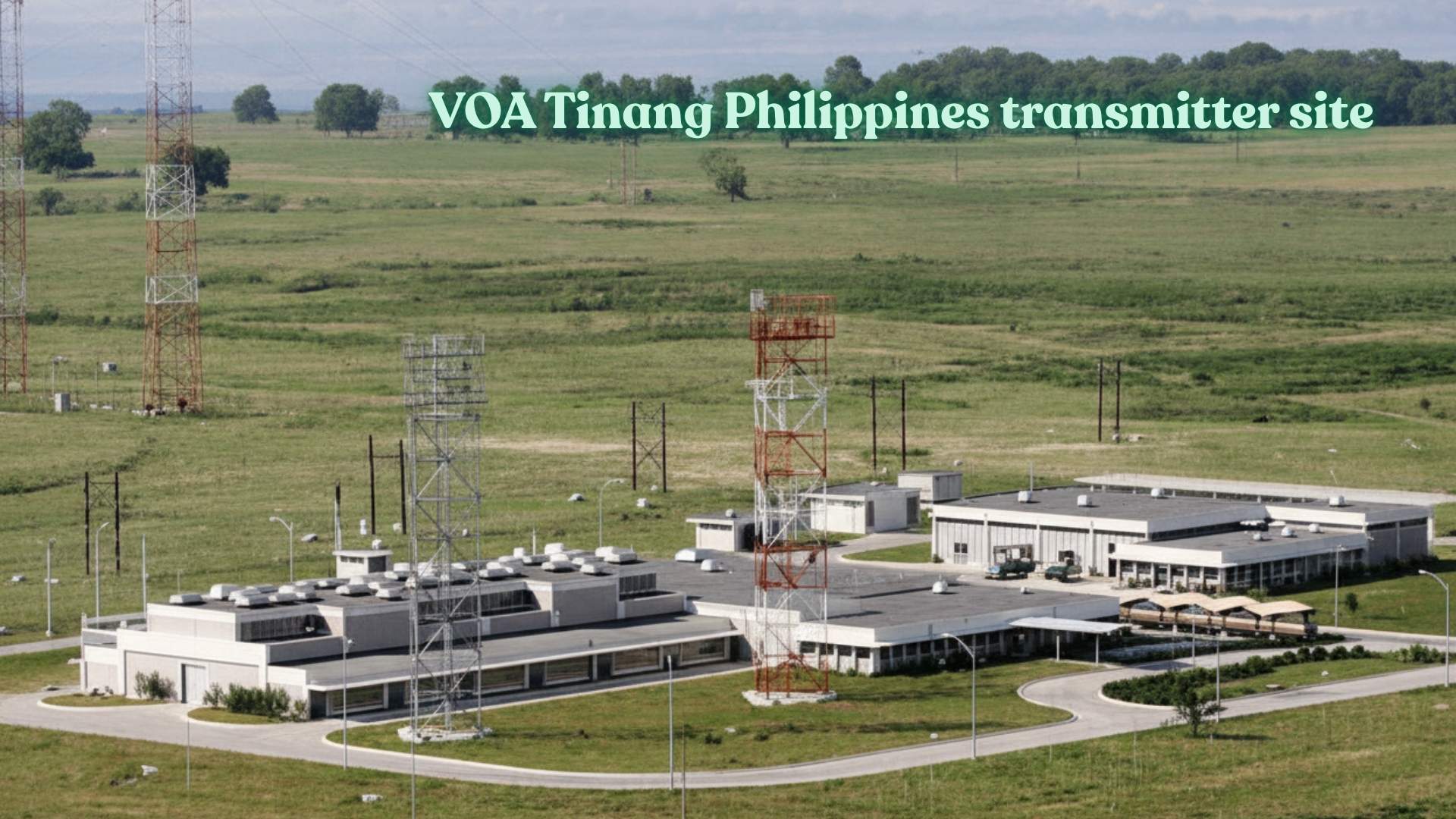
The Voice of America has refreshed its Persian service with powerful new frequencies aimed directly at Iran and surrounding countries.
7 days a week – 1730–2330 UTC
- 9915 kHz – 250 kW, Azimuth 315° (Tinang, Philippines)
- 11575 kHz – 250 kW, Azimuth 315° (Tinang, Philippines)
- 7590 kHz – 250 kW, Azimuth 58° (Kuwait)
These three transmitters create overlapping coverage that should be rock-solid across Iran during prime evening hours. The Kuwait site in particular often delivers armchair-copy signals in the Gulf region.
BBC Persian – Reliable Daily Shortwave & Medium Wave
The BBC continues its long-standing Persian service with a mix of shortwave and medium-wave frequencies that remain extremely popular with listeners inside Iran.
Daily Schedule
- 03:30–04:30 UTC 12065 kHz (shortwave)
- 04:30–05:00 UTC 702 kHz (MW) + 9770 kHz (SW)
- 06:30–07:30 UTC 702 kHz (MW) + 6130 kHz (SW)
- 07:30–08:00 UTC 702 kHz (MW)
- 08:30–09:00 UTC 1395 kHz (MW)
(Information confirmed by Alokesh Gupta, New Delhi, India) The combination of shortwave and medium-wave outlets gives listeners multiple options depending on propagation and local interference.
Why Shortwave Radio Steps Up Matters Right Now – A DXer’s Perspective
In an era of satellites and streaming, it’s easy to forget how vital shortwave remains during crises. When governments block websites or jam satellite feeds, shortwave radio still gets through. These temporary and expanded services prove that broadcasters understand this reality.
For us DXers, this is an incredible monitoring opportunity. Propagation is often enhanced during geomagnetic disturbances (which frequently accompany heightened solar activity in 2026), so even modest antennas can pull in these signals from thousands of kilometers away.
Tune In, Log It, and Stay Informed
The airwaves are alive again. Whether you’re in Iran, Europe, North America, or anywhere with a shortwave receiver, these frequencies offer a direct window into one of the most important stories of our time. For latest frequency of A26, visit ABCDX A26 SW Guide.
I’ll be monitoring every evening and will update this page if new frequencies appear (bookmark it!).
Have you caught any of these signals yet? Drop your reception reports, SINPO codes, or even audio clips in the comments — let’s build the definitive DX log for this crisis together.
Stay safe, keep listening, and remember: when the world goes dark, shortwave still shines.